Lowcountry first responders report increases in mental health cases
EDITOR’S NOTE: This story includes discussion of suicide. If you or someone you know needs help, the national suicide and crisis lifeline in the U.S. is available by calling or texting 988. There is also an online chat at 988lifeline.org
CHARLESTON COUNTY, S.C. (WCSC) - A Lowcountry police department and hospital say they have seen an increase in the number of people seeking help for mental health issues.
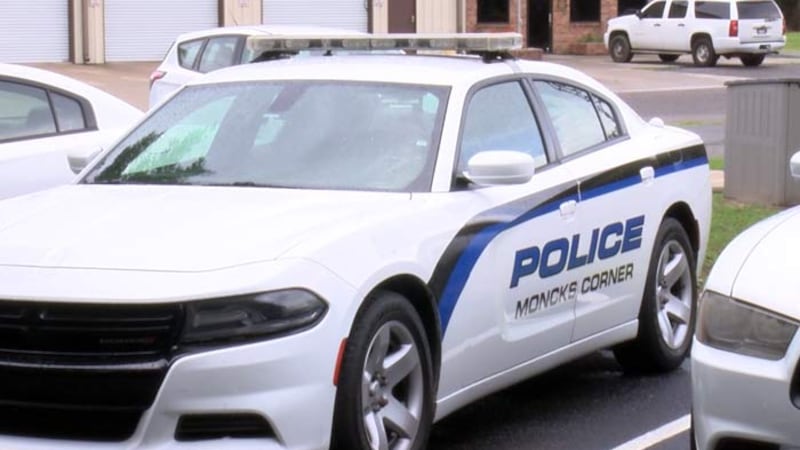
Mount Pleasant Police Community Wellness Unit Detective Daniel Callaghan says he has seen more calls regarding mental health than calls related to violent crime.
He says the calls can range from people struggling with suicidal thoughts to situations where mental illness is linked to drug or alcohol use.
“Suicidal issues pop up quite a bit,” Callaghan says. “We obviously have the Ravenel Bridge and just the threat of suicide whenever someone does call about that there is a protocol for us to make contact with them and try to get them assistance.”
In 2024, the Mount Pleasant Police Department recorded 702 initial reports of mental health-related encounters and 166 follow-up reports. However, officials say the true number of mental health encounters is likely much higher as not all interactions are specifically documented as “mental health related.”
This can happen when the mental health issue isn’t immediately clear at the time, isn’t the main reason for the call, or when the situation is handled by EMS with police there only for security.
So far in 2025, they have recorded 322 mental health-related reports and follow-ups.
Callaghan says that all officers receive training to better handle these situations. He says every mental health call results in a two-officer response and they work to gather as much information as possible.
“So if someone is suicidal, we want to know how are they saying they are suicidal? Are they threatening use of a weapon? Are they talking about going to the bridge? Get all of the details for officer safety,” Callaghan says. “Once we can determine how we can make contact, then it’s a matter of getting mobile crisis involved.”
He says they also partner with the Charleston Mental Health Center to provide mobile crisis evaluations, as well as Wakeup Carolina to support those struggling with substance use.
“You’re having a really bad day and you need someone to talk to, we’re just there to help facilitate it, no judgment,” he says. “I want you to talk to Mobile Crisis. They’ll ask you all the questions that they need and from there they will help determine hey can we set up a safety plan or do we need to escort you to the hospital so you can get evaluated further.”
Callaghan says bringing awareness to the increase in mental health calls is crucial as this can affect the whole community and be a “big devastation to everyone,” not just for the first responders who go to it but family members and co-workers.
“The same thing if someone is struggling with a mental illness or even drug addiction. That person is impacting the community and I think it’s our job to help influence that change and get them assistance,” Callaghan says.
Callaghan says he and a supervisor are currently the only members of their unit, but long-term plans may include adding another officer and hiring an in-house clinician who can work together on these cases.
Leaders at Trident Medical Center, like Dr. Kenneth Perry, the assistant medical director of the hospital’s emergency department, say they have also seen an uptick in mental health-related cases over the last few years.
“Some of it has to do with just access to care. There are a lot of problems with getting access to mental health care, but also, as a population grows, the problems will increase as well. So we’re seeing both ends of not having the access to care, as well as having a very large population that is ever increasing,” Perry says.
A significant number of people they see for mental health concerns are teens and even younger, he says.
“As social media has become a larger issue, teens, pre-teens, even younger children are sometimes better at technology than their parents and so what we really ensure is that parents understand the responsibility of if you do put an electronic device in your child’s hands, understand some of the risks that are associated with it,” Perry says.
Perry encourages those who are interested in seeking help to reach out to Trident’s Live Oak Mental Health and Wellness Center or the Live Oak Mental Health Therapy Center.
Copyright 2025 WCSC. All rights reserved.